Choosing Your Firearm: A Practical Comparison of Handguns, Rifles, and Shotguns
Choosing Your Firearm: A Practical Comparison of Handguns, Rifles, and Shotguns
You're standing at the counter with a $700 budget, debating between a polymer-frame 9mm for carry and a reliable .22 LR rifle for the farm. This isn't a theoretical exercise; it's a common decision where the wrong choice means wasted money and a tool that doesn't fit your needs. The core of any smart firearms purchase is a direct comparison of purpose, platform, and performance.
Defensive Handguns: Striker-Fired vs. Hammer-Fired
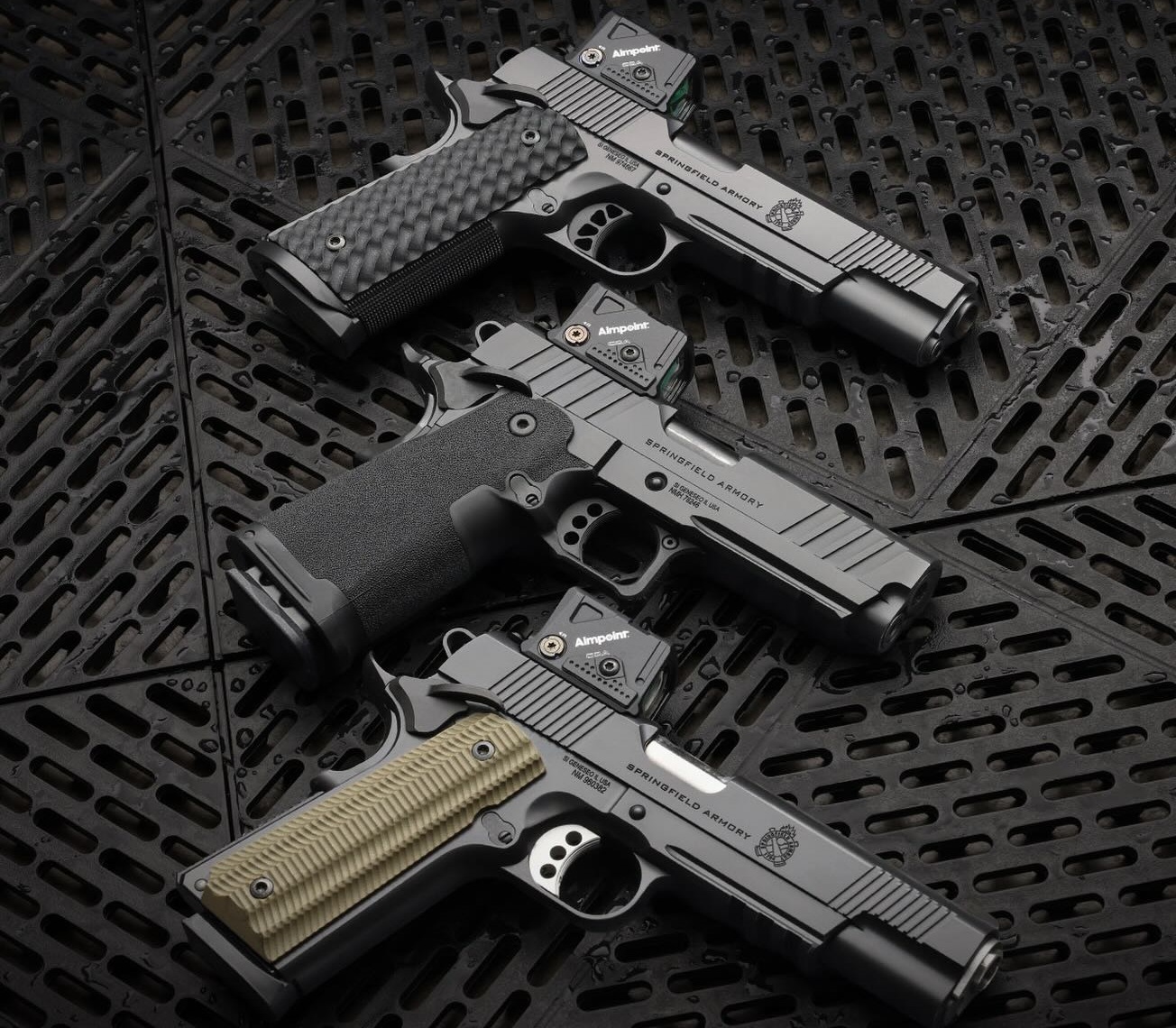
The modern defensive handgun market is dominated by striker-fired designs, and for good reason. Models like the Glock 19, Smith & Wesson M&P9 M2.0, and the SIG Sauer P320 offer a consistent trigger pull, simplified manual of arms, and typically higher magazine capacities out of the box. They are purpose-built for reliability under stress. Hammer-fired pistols, like the classic 1911 in .45 ACP or the CZ 75 SP-01, offer a different feel. The single-action trigger on a quality 1911 is often superior for precision, and many shooters prefer the manual safety or decocker options. For a first-time buyer or a dedicated carry gun, a striker-fired 9mm is almost always the correct recommendation. At Iowa Gunshop, we consistently see the Glock 19 and S&W Shield Plus as top sellers because they simply work, every time.
The AR-15 Platform: .223/5.56 vs. Other Calibers
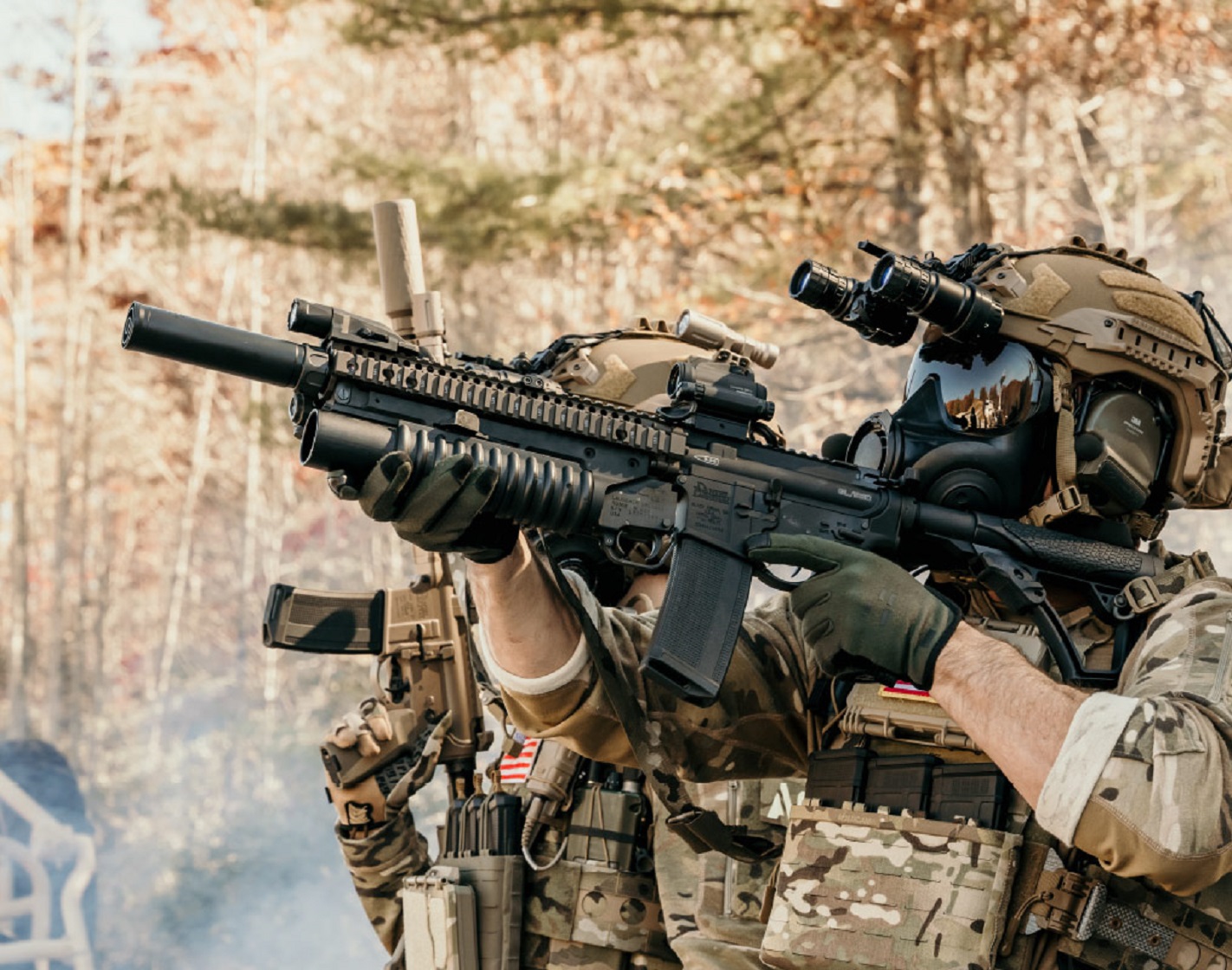
The AR-15 is a modular system, and your first decision is caliber. The standard .223 Remington/5.56 NATO chambering is ubiquitous for a reason: affordable practice ammo, minimal recoil, and proven effectiveness for varmints, home defense, and recreational shooting. However, the platform's true versatility shines with alternative uppers. A .300 Blackout upper is a game-changer for those using a suppressor, as it fires heavy subsonic rounds effectively. For hunters, a 6.5 Grendel or .450 Bushmaster upper transforms the rifle into a capable medium-game hunter. The key is to start with a quality 5.56 rifle as your foundation. A base model from Palmetto State Armory or a step-up like a Smith & Wesson M&P15 Sport II provides a reliable receiver set to build upon. We advise customers to master the 5.56 platform first before investing in specialty calibers.
Shotgun Gauges: The 12 Gauge vs. 20 Gauge Debate
The 12 gauge versus 20 gauge argument often overcomplicates a simple rule: use the gauge you can shoot effectively. The 12 gauge offers maximum payload and energy, making it the undisputed king for waterfowl, turkey, and three-gun competition. Recoil can be significant, especially in lighter guns. The 20 gauge, firing a lighter shot charge, delivers noticeably less recoil, making it an excellent choice for younger shooters, those of smaller stature, or anyone hunting upland birds where a slightly smaller pattern is acceptable. For home defense, both are devastating with buckshot, but a 20-gauge pump like the Mossberg 500 Compact offers formidable power with faster follow-up shots for many shooters. Don't fall for the "less effective" myth; a 20-gauge slug will still take a deer cleanly at 75 yards. Browse our shotgun selection to feel the weight and fit difference yourself.
Rimfire Rifles: The .22 LR's Role in Every Collection
No firearms comparison is complete without the .22 Long Rifle. It is not a "lesser" cartridge; it is the fundamental training tool. Ammunition costs pennies per round compared to centerfire cartridges, allowing for affordable, high-volume practice on fundamentals like trigger control, breathing, and sight alignment. A quality .22 LR rifle, such as the Ruger 10/22 for semi-automatic fun or a CZ 457 for bolt-action precision, belongs in every safe. It's the perfect rifle for introducing new shooters, dispatching pests on the property, or simply enjoying a low-cost day at the range. The skills you cement with a .22 translate directly to larger calibers. We consider a .22 so essential that we often recommend it as the first firearm purchase, before moving to a centerfire handgun or rifle.
Concealed Carry: Micro-Compact 9mm vs. Subcompact
The rise of the micro-compact 9mm has redefined everyday carry. Guns like the SIG Sauer P365, Springfield Armory Hellcat, and Smith & Wesson Shield Plus pack 10+ rounds into a package barely larger than a .380. They are designed for deep concealment in a pocket or appendix holster. Subcompacts, like the Glock 26 or Smith & Wesson M&P9 Subcompact, are slightly larger, offering a fuller grip and often softer recoil impulse at the cost of printing more under light clothing. The trade-off is direct: maximum concealability versus shootability. If your primary concern is invisibility, a micro-compact is the modern solution. If you prioritize a more secure grip and range performance, and can dress around the gun, a subcompact may serve you better. Handle both at our store to see which grip fits your hand.
Is a 9mm enough for home defense, or should I get a .45 ACP?
Yes, a 9mm is absolutely sufficient. Modern 9mm defensive hollow points from brands like Federal HST, Speer Gold Dot, and Hornady Critical Duty offer excellent penetration and expansion. The advantages are clear: higher capacity, less recoil for faster follow-up shots, and lower ammunition cost for practice. The .45 ACP is effective but offers fewer rounds in a similar-sized handgun and significantly more recoil. Shot placement and shot speed matter more than a fraction of an inch in bullet diameter.
What's more versatile for a first rifle: an AR-15 or a bolt-action .308?
For a true first rifle, an AR-15 in 5.56/.223 is far more versatile. It is easier to shoot accurately under rapid fire, has minimal recoil, and is adaptable to countless roles from plinking to competition to varmint hunting. Ammunition is affordable. A bolt-action .308 is a specialized tool—an excellent hunting rifle for medium to large game at longer ranges, but its cost per round and slower rate of fire make it a poor choice for learning fundamentals or general-purpose use. Start with the AR platform.
Can a 20-gauge shotgun be used for home defense?
Without a doubt. A 20-gauge shotgun loaded with #3 buckshot (approximately 20 pellets of .25 caliber) delivers tremendous stopping power with less recoil and muzzle blast than a 12 gauge in a confined space. This makes it easier for many shooters to manage, leading to better control and faster potential follow-up shots. A pump-action 20-gauge like the Mossberg 500 is a formidable and often overlooked home defense option.
The best comparison happens in your hands. Specifications on paper can't tell you how a grip feels or how the sights align for you. We stock the models discussed here for that exact reason. Browse our firearms collection to see what's available, and contact us with your specific scenario for a direct, expert recommendation.
Last updated: March 25, 2026